A Cheaper, Safer Chemistry Arrives
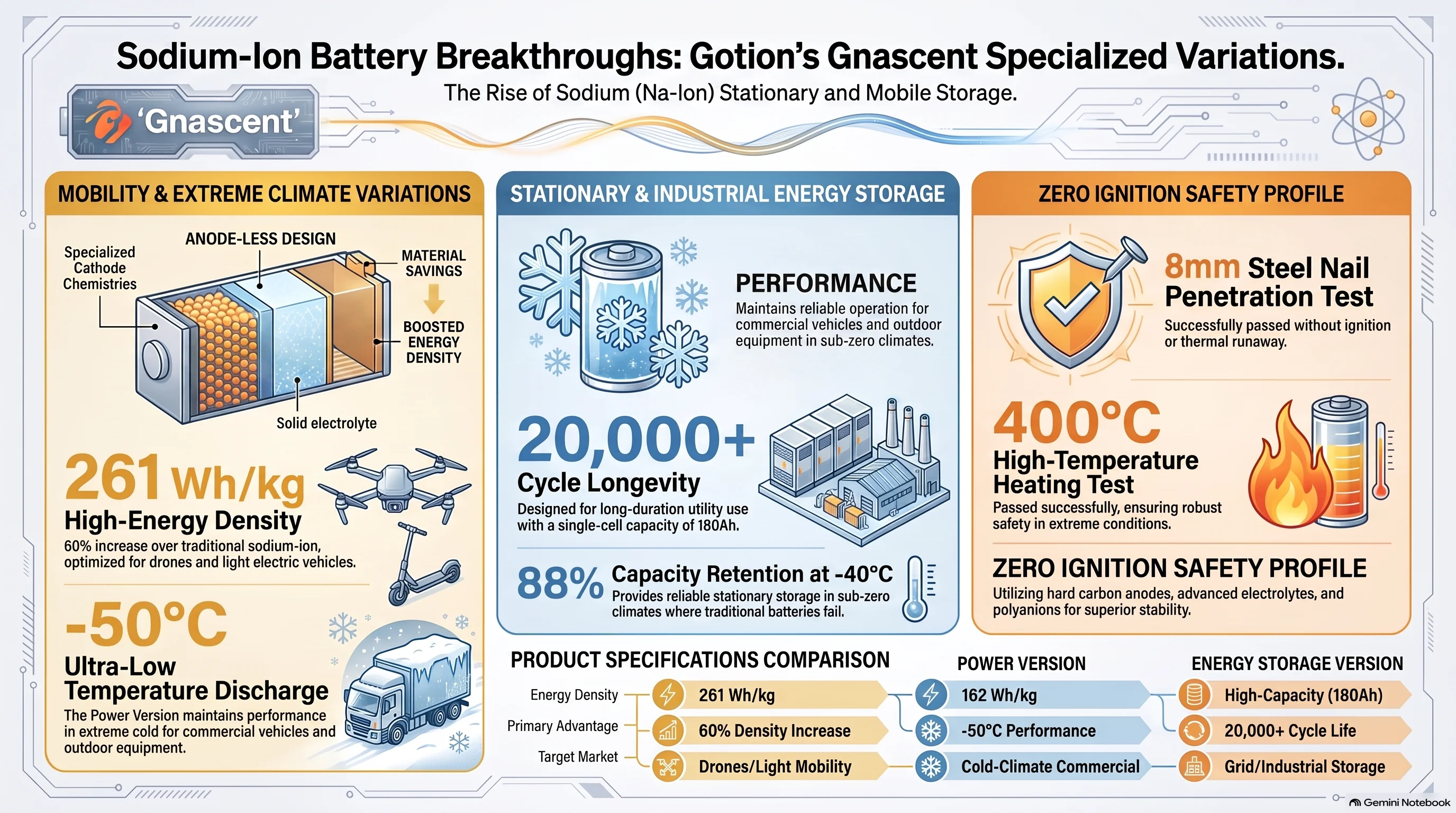
Lithium-ion has dominated home energy storage for a decade, but the supply chain is tightening — and the next wave of batteries is already here. Sodium-ion cells swap lithium for sodium, one of the most abundant elements on Earth, using the same sodium found in seawater and table salt. Gotion's Gnascent line leads the charge, with specialized sodium-ion variations built for both stationary storage and mobile applications. The result is a battery that costs less to manufacture, tolerates a wider temperature range, and does not rely on geopolitically sensitive lithium supply chains. Most homeowners who read this are comparing partial home essential load batteries options around Flagstaff, AZ, so what follows sticks to the details that change in practice.
Why It Matters for Homeowners
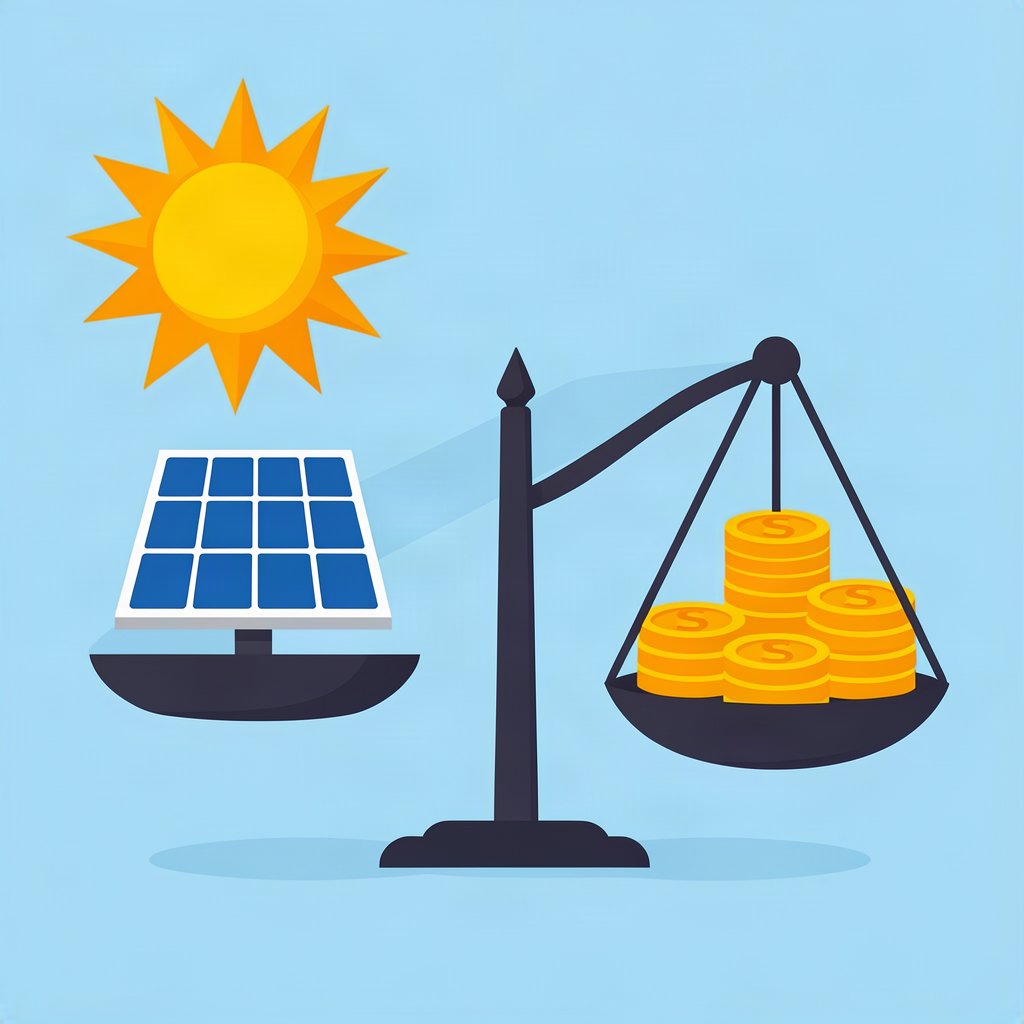
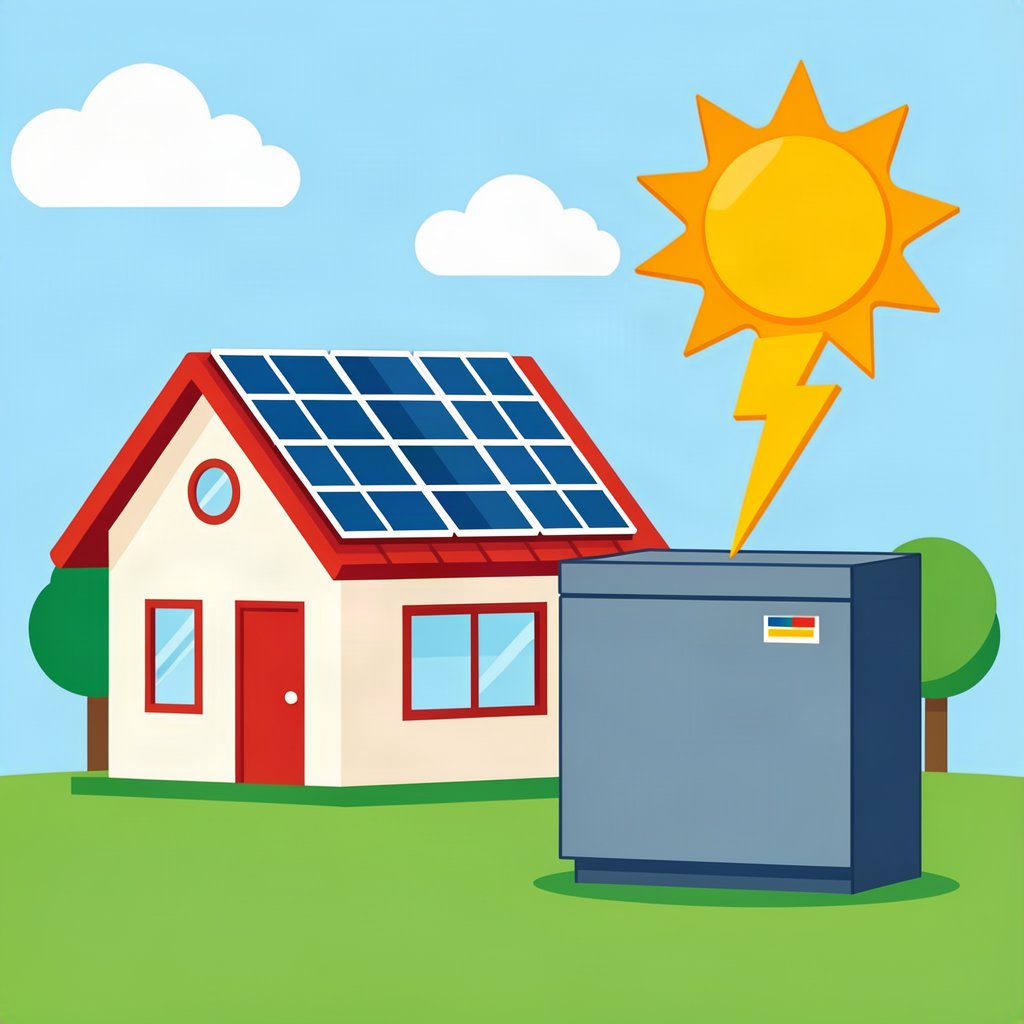
Sodium-ion is not just an industrial curiosity — it is the chemistry that will make whole-home battery backup genuinely affordable. While early sodium cells trail lithium on energy density, the gap is closing fast, and for stationary storage (where weight matters far less than cost and cycle life), sodium-ion is arguably the better fit already. Pair it with solar, and the economics of keeping the lights on during outages improve noticeably.
The short version
- Sodium-ion cells replace lithium with sodium, described as one of the most abundant elements on Earth and the same sodium found in seawater and table salt.
- Gotion's Gnascent line is named as leading the sodium-ion charge, with specialised variations built for both stationary storage and mobile applications.
- The stated advantages are lower manufacturing cost, tolerance of a wider temperature range, and independence from geopolitically sensitive lithium supply chains.
- Early sodium cells trail lithium on energy density but the article argues the gap is closing, and that for stationary storage cost and cycle life matter more than weight.
- The shopping advice is to ask an installer whether a quote includes lithium LFP or a sodium alternative, and what the cycle-life warranty is on each.
The takeaway for anyone shopping a solar-plus-storage system: sodium-ion is no longer a lab experiment. Ask your installer whether the quote includes lithium LFP or a sodium alternative, and what the cycle-life warranty looks like on each.